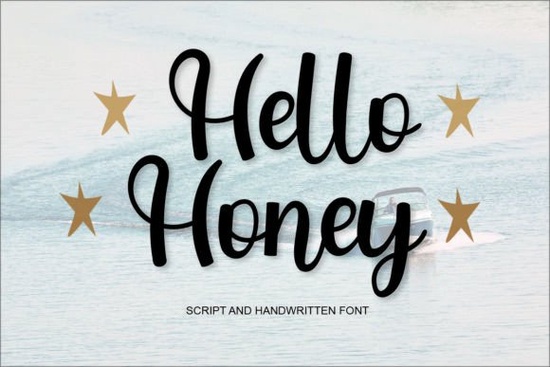
If you need a typeface that feels personal without sacrificing readability, Hello Honey Font delivers exactly that. It is a cursive handwritten style that balances gentle curves with a relaxed, everyday rhythm. Designers, crafters, and small business owners often reach for this kind of script when they want to add a warm, romantic touch to branding materials, wedding stationery, or product packaging. Instead of overly formal calligraphy, it keeps things approachable while still looking polished enough for professional storefronts and print-on-demand listings.
What makes this handwritten style work for everyday projects?
The strength of any script lies in its spacing and stroke consistency. This typeface uses soft, even lines that mimic natural pen movement, which helps it read clearly even when scaled down for labels or social media graphics. Many cursive fonts struggle with tight kerning or exaggerated swashes that clash with nearby elements. Here, the letterforms stay grounded, making it much easier to place on textured backgrounds or pair with product photography. If you have tested other smooth flowing scripts in the past, you will notice how this one avoids visual clutter while keeping that handmade charm intact.
Where does it fit best in a real design workflow?
Handwritten typefaces shine when they match the emotional tone of the project. This particular style works well for:
- Wedding and event stationery: Invitations, place cards, and welcome signs that need a romantic but relaxed vibe.
- Small business branding: Logo marks, social headers, and product labels that want to feel personal and trustworthy.
- Print-on-demand merchandise: Tote bags, mugs, and apparel where a short phrase or name needs to stand out without looking stiff.
- Fashion and lifestyle lookbooks: Editorial overlays and quote graphics that benefit from a gentle, editorial touch.
When you are laying out these pieces, keep the text short. Script fonts are meant for headlines, names, or brief taglines. Let your body copy handle the heavy reading, and use the cursive style as an accent that draws the eye naturally.
How do I pair it with other typefaces without creating clutter?
Pairing is where most creators get stuck. The rule of thumb is contrast. Since this font carries a lot of personality and curved lines, it needs a straightforward partner. A clean sans serif or a simple serif will ground the layout and give the script room to breathe. You might experiment with modern geometric lettering for a fresh, minimalist combination, or try refined calligraphy alternatives if you are building a more traditional wedding suite. When testing combinations, check the x-height and weight. If the supporting font is too heavy, it will compete. If it is too light, the hierarchy falls apart. Aim for a middle weight that sits quietly behind your main headline.
What should I know about licensing and file setup?
Before you add any font to your toolkit, check the license terms carefully. Most marketplace fonts come with a desktop license for personal or commercial use, but print-on-demand platforms and digital product sales often require specific permissions. Always verify whether you can embed the typeface in editable templates, use it on merchandise for resale, or include it in client deliverables. Once you confirm the usage rights, install the OTF or TTF files properly. Clear your font cache if your design software acts up, and restart the application so the new glyphs load correctly. If you enjoy experimenting with different moods, you might also browse playful handwritten styles to keep your library versatile across seasons.
Is this the right choice for my current project?
Not every design needs a script, and that is perfectly fine. This style works best when you want to communicate warmth, celebration, or a handcrafted feel. It is less suited for technical manuals, corporate reports, or long paragraphs of web copy. If your goal is to make a brand look approachable while maintaining a polished finish, you can explore the Hello Honey Font directly and test a few sample words. Type out actual project names rather than generic placeholders. Real words reveal spacing issues and help you judge how the capitals interact with lowercase letters. You can also preview how this cursive collection handles punctuation and numbers before committing to a full layout.
Quick checklist before you start designing
- Install the font files and restart your design software to avoid missing glyphs.
- Test your headline at the exact print or screen size you plan to use.
- Pair with a simple sans serif or serif for body text to maintain readability.
- Check the commercial license if you are selling physical products or digital templates.
- Keep script usage to one or two lines per layout to prevent visual fatigue.
Take a few minutes to mock up your actual project name, adjust the tracking slightly if the letters feel too tight, and save a style preset so you can reuse the combination across future campaigns. Consistent typography saves time, reduces revision rounds, and keeps your brand looking cohesive.
Explore Design Smooth Radiance Font: a Designer's Typography Toolkit
 Melintina Calligraphy Font: Design Ideas & Uses
 Unlock Creativity with Unique Handwriting Fonts
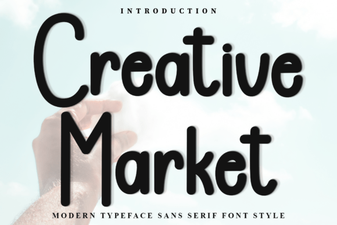 Discover Fonts for Creative Design Projects
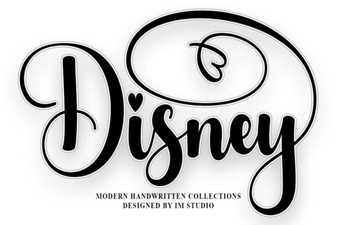 Explore Disney Fonts for Your Creative Projects
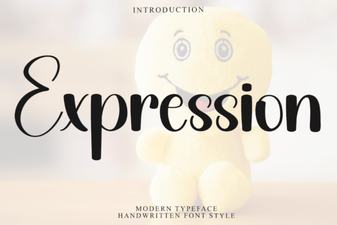 Express Your Message with Creative Fonts