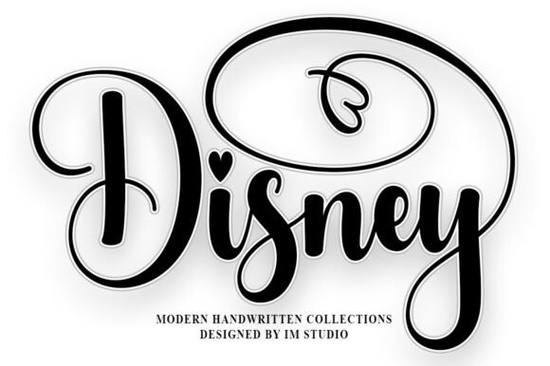
If you are looking for a typeface that brings a playful yet polished feel to your layouts, the Disney Font delivers exactly that. It is a handcrafted script that balances delicate strokes with steady, readable forms. Designers, crafters, and small business owners often choose it when they want a project to feel inviting without leaning into overly stiff or corporate typography. Whether you are drafting a personal letter, designing product packaging, or setting up a print-on-demand listing, this font gives your text a distinct personality that catches the eye but never overwhelms the message.
What makes this typeface stand out for creative projects?
The charm of this lettering comes from its careful construction. Each character is drawn to feel organic, with smooth curves and consistent spacing that keep words legible even at smaller sizes. You will notice how the uppercase letters carry a gentle flourish while the lowercase forms stay grounded and easy to read. That balance matters when you are working on client branding or handmade goods. It removes the guesswork from kerning and line height, letting you focus on layout and color instead of fixing awkward gaps. The result is a clean, cohesive look that works across both digital previews and physical prints.
Where does it work best in print and digital designs?
This script shines in projects that need a friendly, approachable tone. It is a reliable choice for wedding and birthday invitations, where you want the wording to feel personal but still professional. Food entrepreneurs use it on jar labels, bakery boxes, and menu headers because the rounded edges suggest warmth and craftsmanship. Print-on-demand sellers also find it useful for quote tees, tote bags, and nursery wall art, especially when the design relies on a short, standout title. Keep your text concise. Long paragraphs can dilute the visual impact, so reserve this typeface for headlines, short phrases, or accent lines that guide the viewer through your layout.
How do you pair it with other script and display fonts?
A single decorative font rarely carries an entire design. You will get better results when you combine it with a supporting typeface that handles body text or secondary details. If you enjoy playful handwriting styles, you might test a casual handwriting option for subheadings while keeping the main title bold and clear. For a softer, more elegant feel, a flowing calligraphy style can sit nicely beneath your primary text without competing for attention. When your project leans toward heritage or rustic branding, consider a textured display face to add depth to background elements. You can also balance the whimsical tone with a refined brush script for signature lines, or switch to a rounded display typeface when you need something sturdy for packaging instructions. The key is contrast: let one font lead, and let the others support.
What should you check before adding it to your toolkit?
Before you install any new typeface, take a quick look at the file formats and licensing terms. Most creative marketplaces provide OTF and TTF files, which cover standard desktop use and basic crafting software. If you plan to sell finished products, verify whether the license includes commercial rights for print-on-demand or digital downloads. Test the font in your preferred design program first. Type out a few sample phrases, adjust the tracking, and print a draft at actual size. Screen rendering often hides spacing issues that become obvious on paper. Finally, keep your font library organized. Rename folders clearly, back up your downloads, and remove duplicates so your workflow stays fast and predictable.
- Check the license: Confirm commercial use matches your shop or client needs.
- Test at multiple sizes: Verify readability on both mobile screens and printed proofs.
- Pair with a neutral sans-serif: Use simple body text to let the script breathe.
- Limit to short phrases: Reserve decorative letters for titles, names, or accent lines.
- Export a sample: Print one physical copy before finalizing your product listing.
Start with a single layout, adjust the spacing until the words sit evenly, and save your settings as a template for future projects.
Explore Design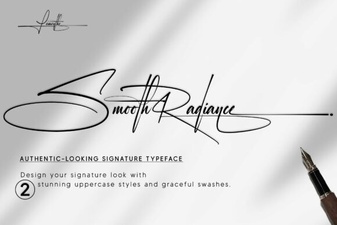 Smooth Radiance Font: a Designer's Typography Toolkit
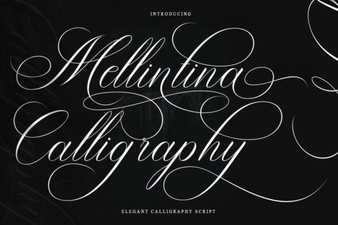 Melintina Calligraphy Font: Design Ideas & Uses
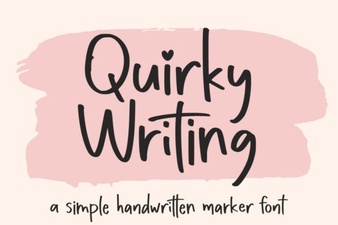 Unlock Creativity with Unique Handwriting Fonts
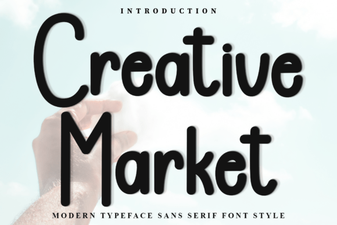 Discover Fonts for Creative Design Projects
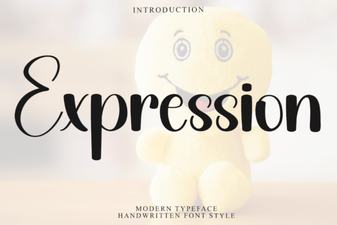 Express Your Message with Creative Fonts
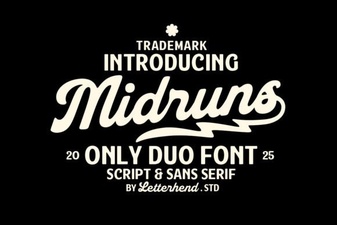 Midruns Font: Creative Typography for Your Projects