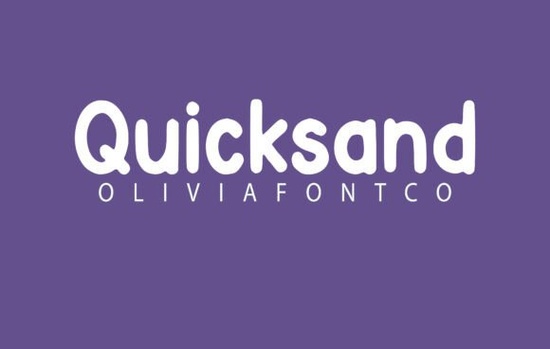
If you need a clean, readable handwritten typeface that still feels personal, Quicksand Font delivers exactly that. It strikes a balance between a romantic, hand-drawn aesthetic and everyday legibility, so you can use it for both display headlines and longer body copy without straining your readers’ eyes. Designers, crafters, and print-on-demand sellers often look for script fonts that feel authentic but don’t sacrifice clarity, and this one fits that niche comfortably.
What makes this handwritten typeface stand out?
The letterforms carry a gentle, flowing rhythm that mimics natural pen strokes. Unlike heavily stylized scripts that become difficult to read at smaller sizes, the characters here maintain consistent spacing and clear baseline alignment. You get that warm, handcrafted vibe without visual clutter. The romantic touch comes through in subtle swashes and soft curves, making it a reliable choice when you want your layout to feel approachable. Because the weight distribution is even, it prints cleanly on thick cardstock and renders sharply on digital screens.
Where does it work best in real projects?
This typeface adapts quickly to different creative workflows. If you design wedding invitations or event stationery, the soft curves add elegance without looking stiff. Social media graphics benefit from its readability, especially when you need a headline that stands out in a busy feed. Small business branding projects, like product labels or packaging stickers, gain a handcrafted feel that customers associate with care. Print-on-demand sellers can safely apply it to mugs, tote bags, and apparel because the letterforms hold up well during production. Magazine editors also use it for pull quotes where a personal tone matters.
How do I pair it with other script fonts?
Mixing handwritten styles can quickly become messy. Let this font carry the main message while supporting it with a simpler companion. For example, browse playful panda-inspired lettering for secondary sticker accents. If your project leans toward a relaxed journal layout, pairing it with casual quirky handwriting keeps the mood light. When you want a smoother contrast, elegant flowing scripts work nicely for subheadings. For heritage themes, textured vintage lettering adds depth. And if you’re designing music posters, retro record-style typefaces create a balanced modern look.
What should I know about licensing and file setup?
Before adding any font to your toolkit, check the license terms carefully. Most creative marketplaces offer personal and commercial options, so pick the one that matches your project scope. Install the OTF or TTF files through your operating system’s font manager, then restart your design software. When working in Illustrator or Canva, test a few sample sentences at different sizes to confirm spacing. You can also preview Quicksand Font directly on the marketplace to verify character sets and language support before downloading.
How do I get the best results on print and screen?
Handwritten fonts lose detail when scaled down. Keep strokes crisp by staying above 14pt for body text and 24pt for titles. Increase tracking slightly if letters touch, and use light backgrounds for contrast. Export digital graphics at 300 DPI and preview them on mobile screens. If you’re cutting vinyl, weld overlapping letters so the blade follows a continuous path. Always run a quick test print before committing to a full production run.
Quick setup checklist before you start designing:
- Verify your license covers commercial or personal use
- Install both OTF and TTF versions if available
- Test a full alphabet string at your intended print size
- Adjust line height to 1.2–1.4 for comfortable reading
- Save a branded style sheet with your chosen color palette
- Run a test mockup before final production
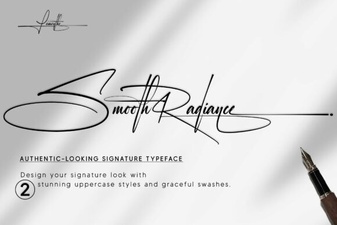 Smooth Radiance Font: a Designer's Typography Toolkit
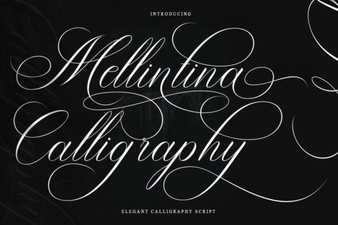 Melintina Calligraphy Font: Design Ideas & Uses
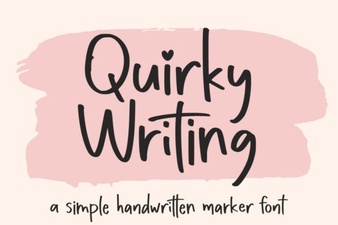 Unlock Creativity with Unique Handwriting Fonts
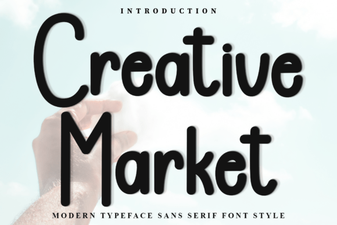 Discover Fonts for Creative Design Projects
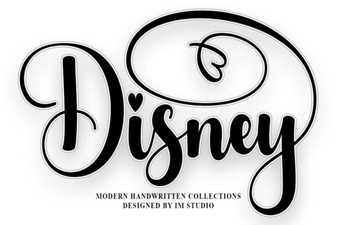 Explore Disney Fonts for Your Creative Projects
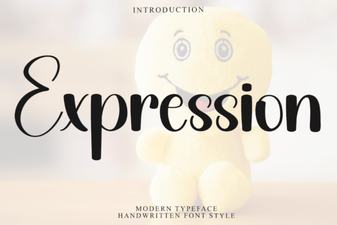 Express Your Message with Creative Fonts