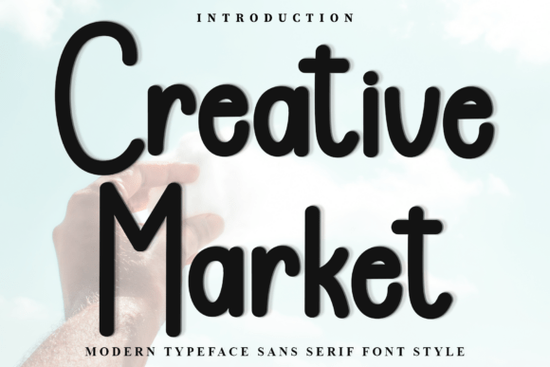
If you need a typeface that feels warm but still reads clearly on products and digital mockups, Creative Market Font Font delivers exactly that. The design carries a soft, hand-drawn quality without sacrificing legibility, making it a reliable choice for everything from wedding invitations to storefront signage. Instead of sharp edges, the letterforms use gentle curves and balanced spacing. That subtle approach helps your message stand out without overwhelming your layout.
What makes this typeface stand out for everyday projects?
The real strength here lies in versatility. Many script fonts look great at large sizes but fall apart when scaled down for labels or social media graphics. This one keeps its character intact across different scales. The strokes have a natural rhythm that mimics careful pen work, giving your text a personal touch. Alternate characters and ligatures prevent repetitive letter shapes from looking mechanical. When you are building a brand identity or designing a seasonal promo, those details save time and reduce manual kerning. If you enjoy working with hand-lettered styles with a woven feel, you will appreciate how different script weights interact on the same canvas.
Which software and platforms work best with it?
Compatibility matters when you juggle multiple design tools. The font files install cleanly on Windows machines and run smoothly across open-source platforms like Inkscape and GIMP. You can also drop them into Canva, Photoshop, Illustrator, or Cricut Design Space without extra conversion steps. Most modern programs recognize the OpenType features automatically, so you can access swashes directly from the glyph panel. For makers who rely on cutting machines, the clean vector paths mean fewer broken nodes and smoother weeding. When you are setting up typefaces built for marketplace listings, keeping your file organization simple prevents version conflicts later.
How can crafters and small business owners use it effectively?
Print-on-demand sellers and independent crafters often need a lettering style that adapts to different materials. This font works well on textured paper, cotton blends, ceramic mugs, and matte stickers. The moderate contrast between thick and thin strokes holds up during screen printing and heat transfer vinyl applications. Pair it with a clean sans serif for body text, or let it carry the main headline while keeping supporting details minimal. Many creative hobbyists use it for journal covers and digital planners because it reads well on both mobile screens and printed pages. If your shop leans toward playful lettering that adds personality, try testing a few color overlays to see how the curves interact with your brand palette.
What should you check before downloading a new typeface?
Not every font file includes the same licensing terms or character sets. Before adding a new typeface to your workflow, verify a few practical details. First, confirm that the commercial license covers your intended use, especially if you plan to sell physical goods or digital templates. Second, check the glyph count to ensure you have access to punctuation, numbers, and multilingual support. Third, test the font at the exact size you will use in production. A typeface that looks sharp at 72 points might lose definition at 12 points. Designers who frequently work with vintage-inspired scripts for branding often keep a simple testing sheet to compare spacing and baseline alignment. You can also review how the letterforms compare to other popular options like Handsome to ensure you pick the right weight for your medium.
How do you pair it with other design elements?
Good typography relies on contrast and hierarchy. Since this font carries a soft, expressive mood, balance it with structured layouts and plenty of white space. Avoid placing it over busy photographs or heavily patterned backgrounds. Instead, use solid color blocks or simple line illustrations to keep the focus on the message. When arranging text for packaging or product labels, align the baseline consistently and limit yourself to two typefaces per design. If you need inspiration for seasonal campaigns, look at how whimsical letterforms for family projects handle spacing and color blocking. Keep the composition clean, let the font breathe, and test your final proof in grayscale to verify readability.
Before you start your next project, run through this quick setup checklist:
- Install the font files and restart your design software to refresh the type menu.
- Open the glyph panel to locate alternates, ligatures, and special punctuation.
- Print a small test sheet at your intended production size to check stroke clarity.
- Verify the commercial license covers your specific product type and sales channel.
- Pair the typeface with a neutral sans serif and limit decorative elements to maintain balance.
Save your preferred kerning and tracking settings as a style preset so you can apply them consistently across future listings. Small adjustments early on will keep your branding cohesive and your production workflow smooth.
Explore Design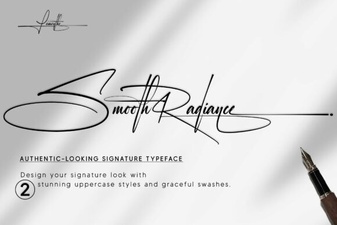 Smooth Radiance Font: a Designer's Typography Toolkit
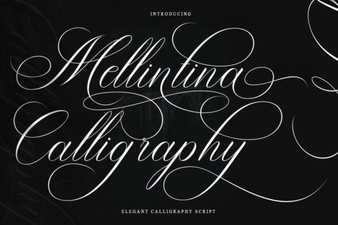 Melintina Calligraphy Font: Design Ideas & Uses
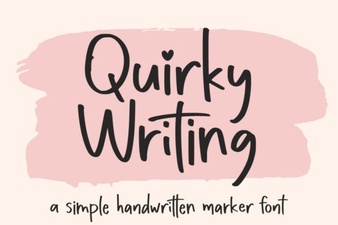 Unlock Creativity with Unique Handwriting Fonts
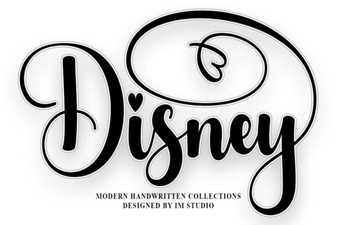 Explore Disney Fonts for Your Creative Projects
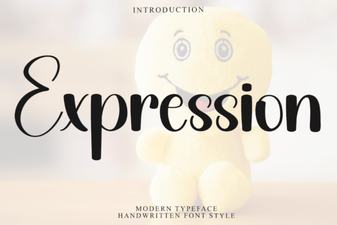 Express Your Message with Creative Fonts
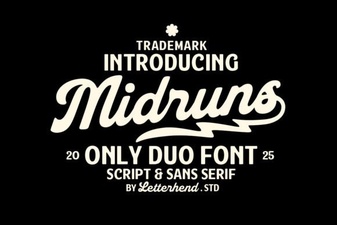 Midruns Font: Creative Typography for Your Projects