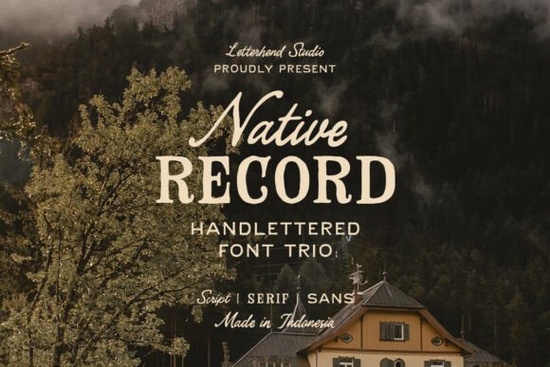
If you need a typeface that balances rustic warmth with clean readability, The Native Record Font delivers exactly that. Built around handcrafted lettering and vintage typography cues, it gives designers, crafters, and print-on-demand sellers a reliable way to add character without sacrificing clarity. The package includes three distinct styles sans, serif, and script so you can mix and match within a single project instead of hunting for separate downloads.
What makes the three-style combination actually useful?
Most font families force you to pick one mood. This set works differently. The serif carries a worn, country-classic feel, making it ideal for headlines. The sans strips away decorative edges, giving you a clean counterpart for subheadings or product details. The script adds a relaxed handwritten touch. When you pair them, you get built-in visual hierarchy. Lead with the serif, support with the sans, and accent with the script to keep layouts balanced.
If you’ve experimented with flowing letterforms before, like the options covered in our guide to calligraphy-inspired scripts, you’ll appreciate how this style stays legible at smaller sizes. It avoids complex strokes, so it prints cleanly on apparel and sticker sheets.
Where does it fit best in everyday projects?
This family shines when you need a grounded, approachable look. Think farmhouse decor labels, boutique packaging, or podcast covers. Print-on-demand sellers often choose it for quote-based designs because the letterforms hold up well during DTG printing. Small businesses can use the serif for logos, the sans for contact info, and the script for signature tags. Designers who prefer softer lettering might compare it to the styles discussed in our notes on gentle script pairings, but this family leans toward rustic reliability.
How do you set it up and avoid formatting issues?
Before dropping any new typeface into your software, check the file format. This download typically includes OTF and TTF files, which work across Windows, Mac, Cricut Design Space, and Canva. Install the files at the system level. When working with the script style, turn on kerning and ligatures. Handcrafted fonts often include alternate characters that fix awkward spacing. If you notice overlapping strokes, adjust the tracking slightly instead of stretching the text box.
For creators who regularly test new type families, browsing through curated selections like the overview of marketplace script fonts can help you spot which files include commercial licensing. Always verify license terms before selling finished products.
What should you watch for when pairing it with other elements?
The rustic character here pairs best with muted color palettes and simple illustrations. Avoid placing it over busy photographs or high-contrast gradients, which compete with the hand-drawn details. Stick to earth tones or soft pastels to let the letterforms breathe. If you prefer brighter branding, you might explore the approaches shared in our breakdown of themed display typefaces, but keep in mind that this set aims for timeless styling. For smoother finishes, some creators cross-reference it with the techniques mentioned in our look at clean script layouts, then adjust line height to match their brand voice.
Is it worth adding to your current toolkit?
If you regularly create country-inspired graphics or lifestyle branding, having a coordinated sans, serif, and script in one folder saves time. You skip the guesswork of matching weights across different foundries. The consistent design language keeps your mockups cohesive. You can preview the full family and check current licensing options by searching for The Native Record Font directly.
Quick setup checklist before you start designing
- Install correctly: Add OTF/TTF files to your system fonts folder and restart your app.
- Enable OpenType features: Turn on ligatures and alternates for cleaner script flow.
- Test print sizes: Run a small proof at 100% scale to check stroke thickness.
- Verify licensing: Confirm commercial rights for POD or client work.
- Pair intentionally: Use the serif for headlines, sans for details, and script for short accents.
Start with a single mockup, adjust your tracking, and save your settings as a style preset. Once the hierarchy feels balanced, you can apply the same layout across banners and product listings without starting from scratch.
Download Now Smooth Radiance Font: a Designer's Typography Toolkit
 Melintina Calligraphy Font: Design Ideas & Uses
 Unlock Creativity with Unique Handwriting Fonts
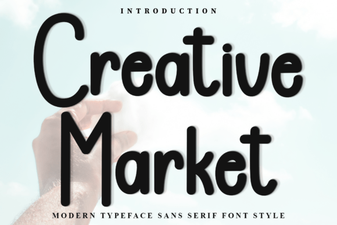 Discover Fonts for Creative Design Projects
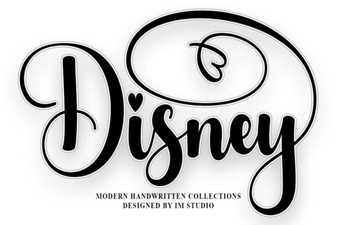 Explore Disney Fonts for Your Creative Projects
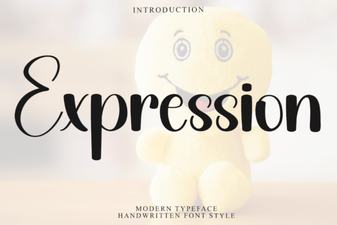 Express Your Message with Creative Fonts